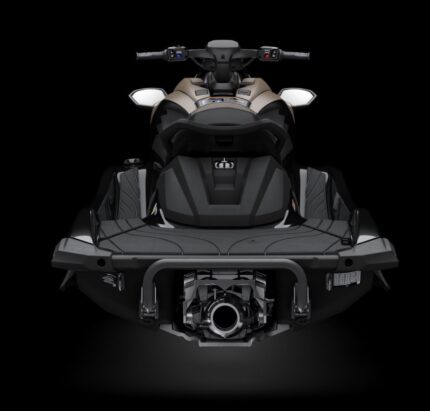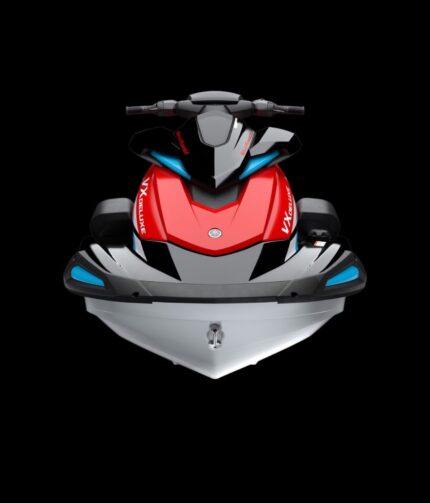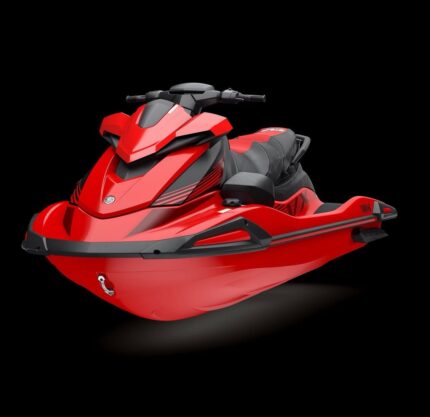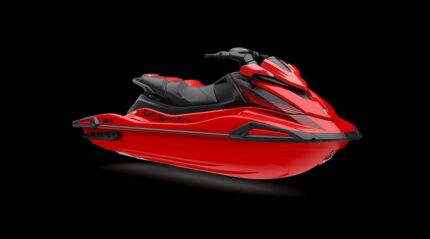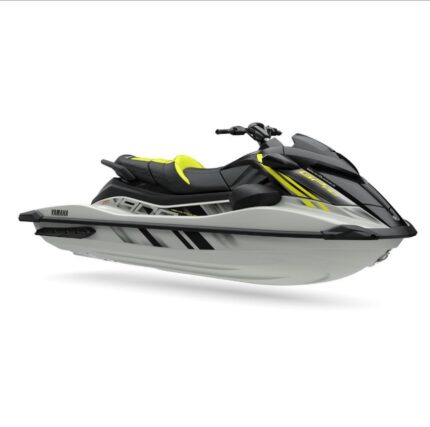
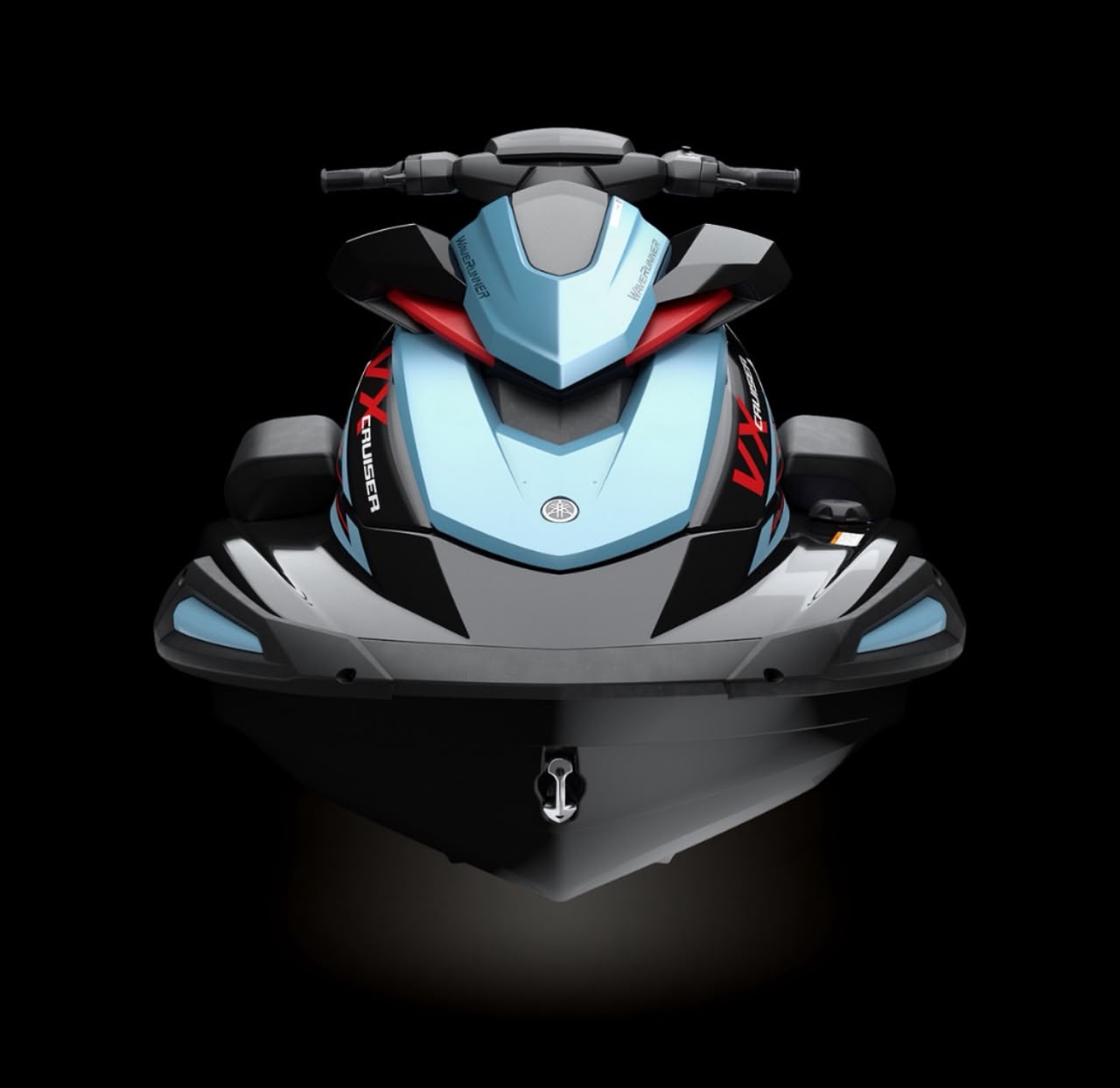
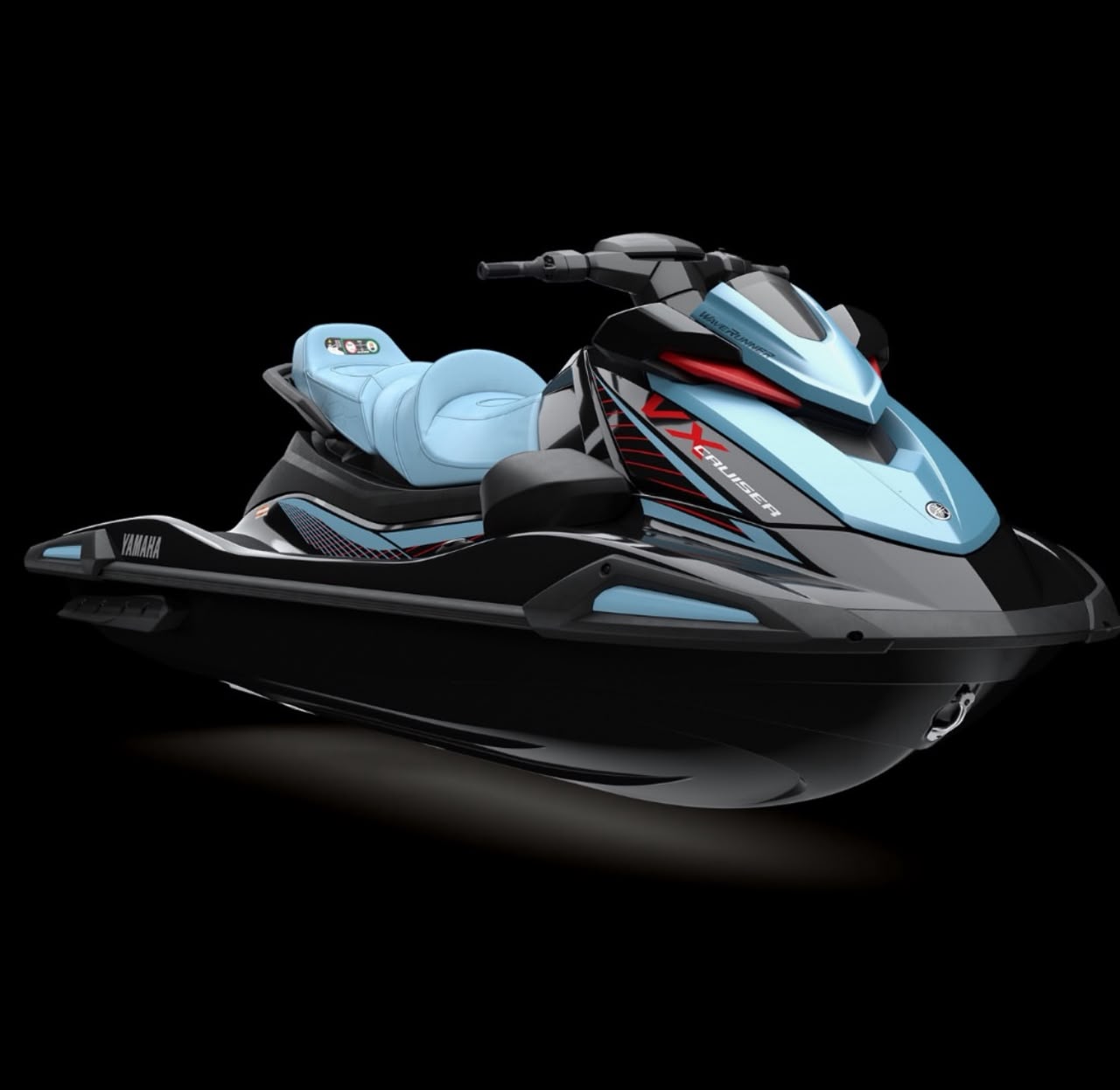
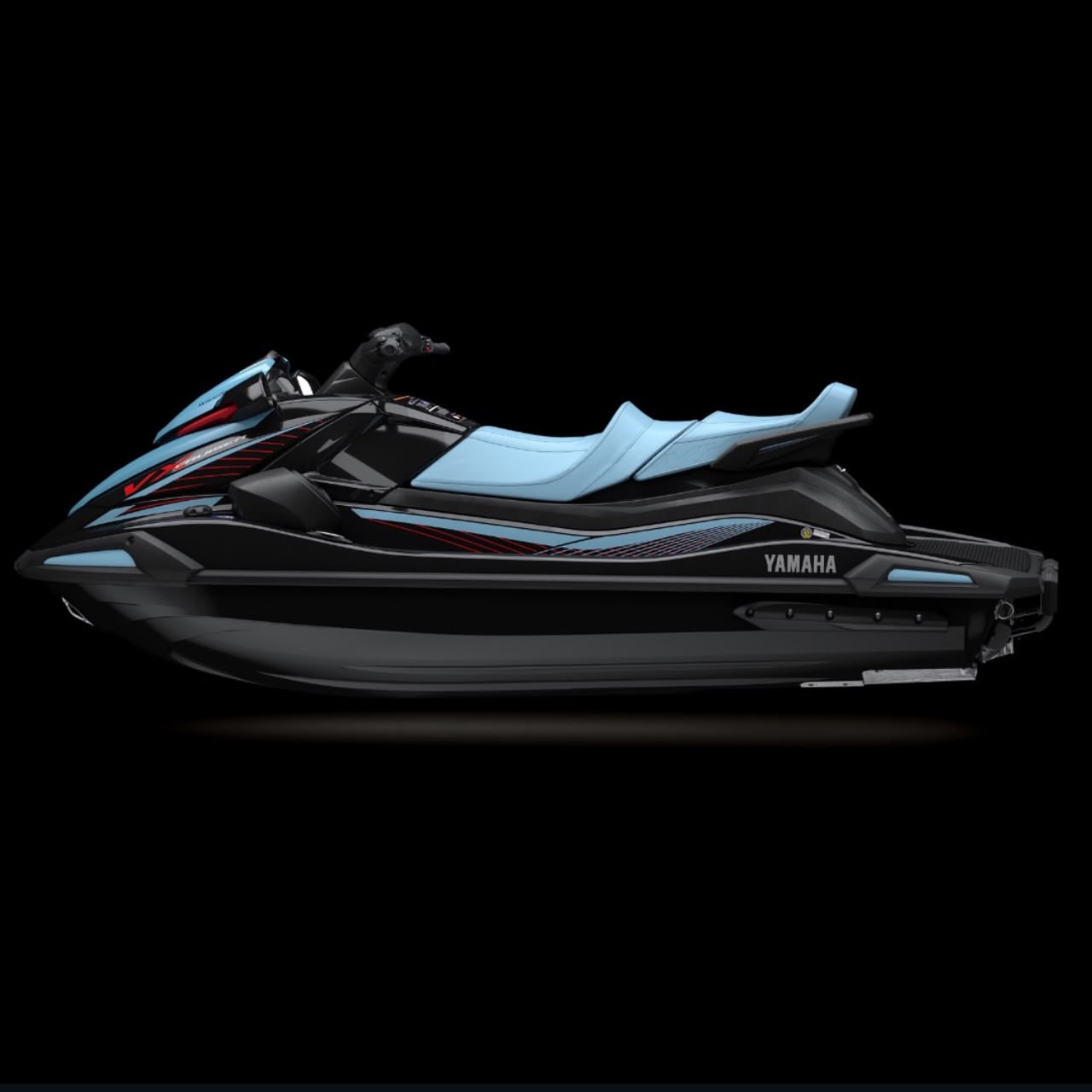

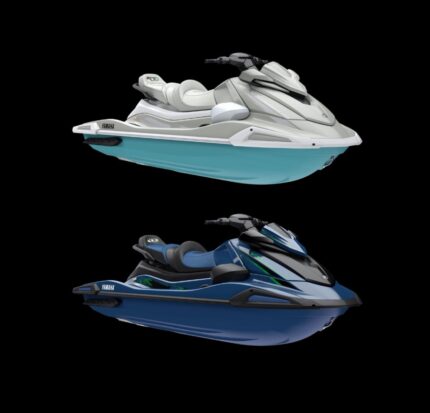
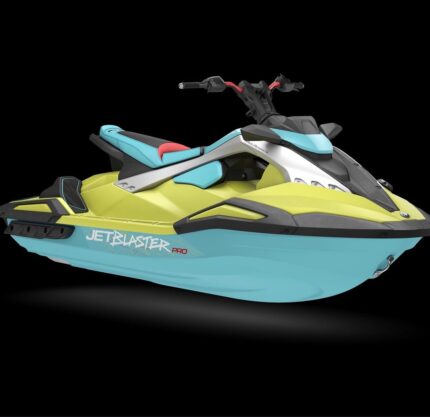
When evaluating a Yamaha WaveRunner engine for purchase, a marine mechanic inspects specific technical details to verify engine health, operational integrity, and longevity. Simultaneously, clear explanations of these checks help first-time buyers feel confident and informed throughout the process.
Below is an overview of what a mechanic inspects during an evaluation, along with key guidance designed to support new buyers.
Technical Inspection Checklist for Marine Mechanics
Mechanics focus on mechanical soundness, electrical health, and signs of environmental exposure (such as saltwater corrosion).
1. Compression & Internal Engine Health
– Compression Testing: Mechanics measure static compression across all cylinders using a pressure gauge. Consistent pressure across cylinders indicates healthy piston rings, cylinder walls, and valves.
– Oil & Fluid Diagnostics: Checking oil color, level, and viscosity reveals internal condition. Milky oil signals a blown head gasket or water intrusion, while burnt oil indicates excessive overheating.
2. Cooling & Exhaust System Integrity
– Corrosion & Scale Buildup: Marine engines rely on open or semi-closed water-cooling loops. Mechanics inspect the cooling channels, exhaust manifold, and thermostat housing for salt deposits, scale, or heavy oxidation.
– Exhaust Connections: Hose clamps, exhaust couplers, and dampeners are checked for cracking, dry rot, or exhaust leaks.
3. Fuel & Electrical Systems
– Fuel Injection & Throttle Body: Mechanics inspect fuel rails, injectors, and wiring harnesses for signs of wear, moisture ingress, or tampering.
– ECU & Diagnostic Logs: Connecting a marine diagnostic scan tool allows mechanics to pull engine hours, fault codes, historical overheating warnings, and operating RPM profiles.
– Starter & Ignition: Wiring terminals and relays are inspected for green/white oxidation, which indicates moisture damage.
4. Drive & Propulsion Interface
– Driveshaft Splines & PTO Coupling: Mechanics verify that the output shaft splines mated to the jet pump impeller are intact and show no uneven wear or rust binding.
– Engine Mounts: Rubber engine isolators are checked to ensure proper alignment and prevent severe vibration during operation.
Buyer Assurance & First-Time Comfort
To make first-time buyers feel confident, technical specifications should be translated into clear, actionable benefits:
– Verified Diagnostic Reports: Providing engine hour verification and recent diagnostic scan logs eliminates guesswork regarding past usage.
– Plug-and-Play Compatibility: Clarifying mounting point alignments, wiring harness compatibility, and direct-fit applications minimizes installation complexity for technicians.
– Transparent Condition Grading: Standardizing inspections into straightforward checklists helps buyers understand the mechanical state of the engine before committing.